
Pediatric Eye Exams in Moorpark & West Hills
Helping Children See Their Best
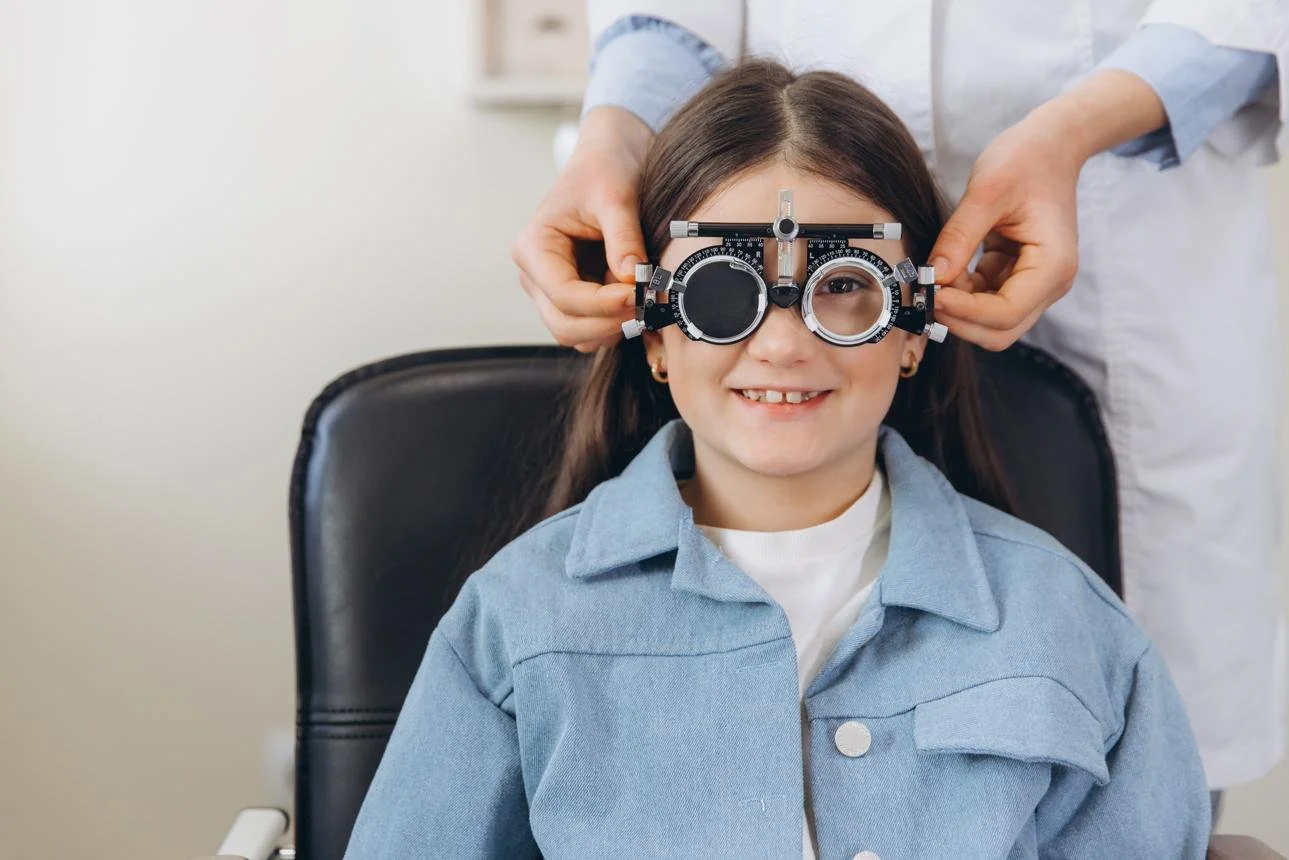
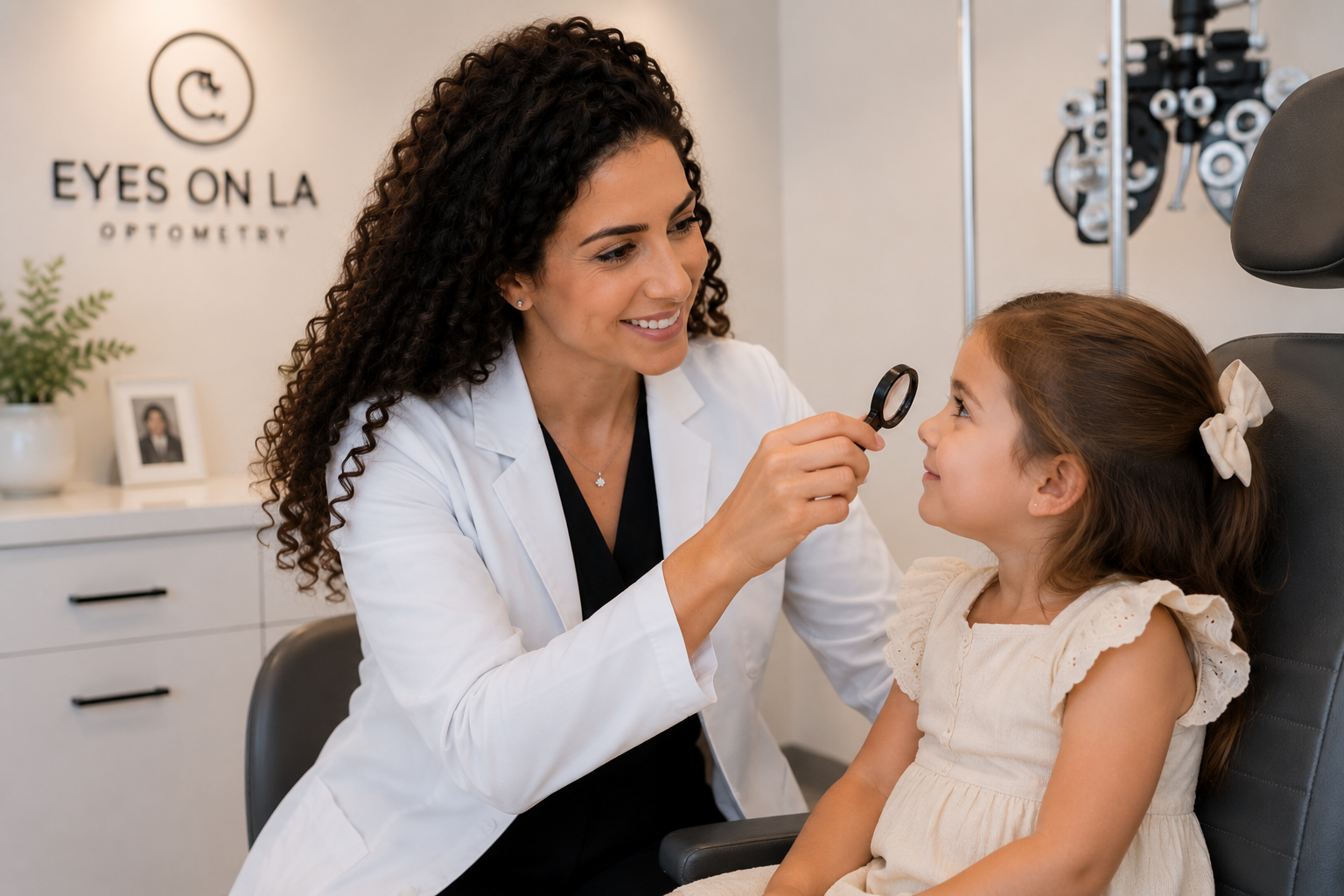
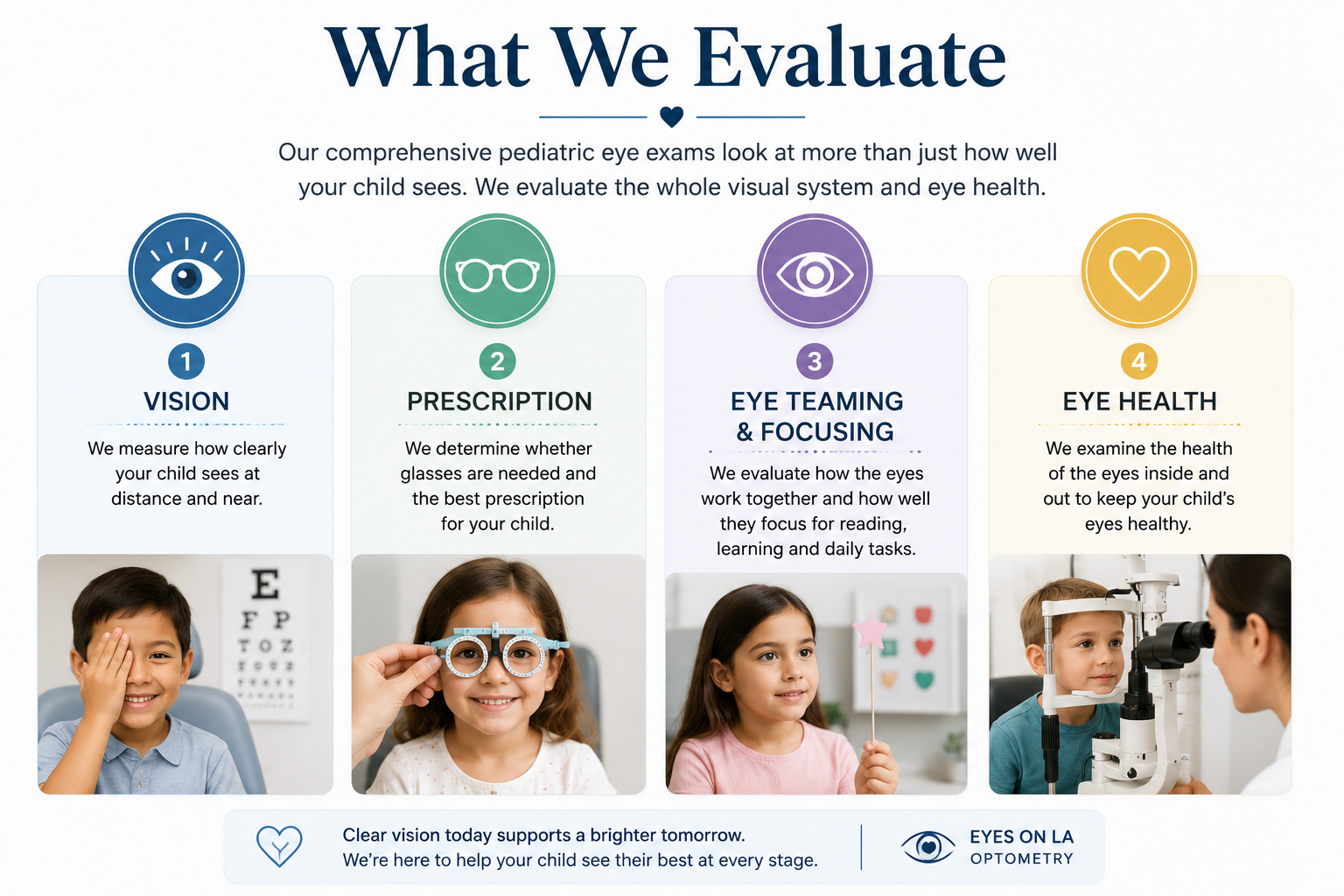
Healthy vision is essential for learning, development, and confidence. At Eyes on LA Optometry, we provide comprehensive pediatric eye exams for toddlers, children, and teenagers in Moorpark and West Hills. Our doctors take the time to make every child feel comfortable while evaluating their vision, prescription, eye coordination, and overall eye health.
Why Children's Eye Exams Matter
Many vision problems cannot be detected by school screenings or by simply asking a child if they can see clearly.
In fact, children often assume the way they see is normal.
Comprehensive pediatric eye exams help identify vision problems that may affect:
📚 Learning
✏️ Reading
⚽ Sports
🎨 Hand-eye coordination
😊 Confidence
Signs Your Child May Need an Eye Exam
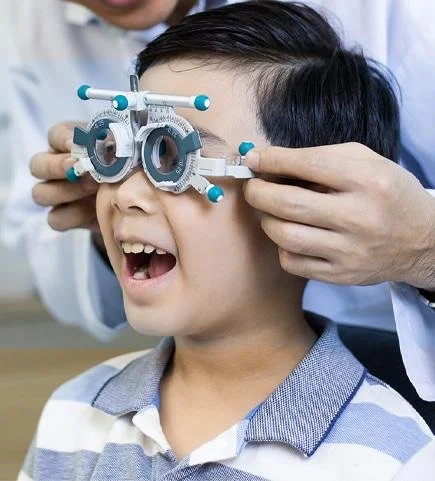
Your child may benefit from an eye examination if they:
Squint frequently
Sit very close to the TV
Hold books very close
Complain of headaches
Rub their eyes often
Lose their place while reading
Have trouble concentrating
Cover one eye
Tilt their head
Failed a school vision screening
Have an eye turn
Have frequent prescription changes
Is Your Child's Prescription Getting Stronger Every Year?
If your child is becoming increasingly nearsighted or their glasses prescription continues to change, they may benefit from a myopia evaluation. Myopia often progresses as children grow, but specialized myopia management options may help slow its progression.
At Eyes on LA Optometry, we offer personalized myopia management options for children, including Essilor Stellest® lenses, MiSight® 1 day contact lenses, and low-dose atropine eye drops.
When Should My Child Have Eye Exams?
Infants: A first comprehensive eye exam can help evaluate early visual development. Typically a first eye exam should occur between 6 months - 12 months old.
Preschoolers: An eye exam before starting school can identify vision problems that may otherwise go unnoticed.
School-Age Children & Teens: Regular comprehensive eye exams help monitor vision as children grow, with frequency based on age, risk factors, symptoms, and your optometrist's recommendations.
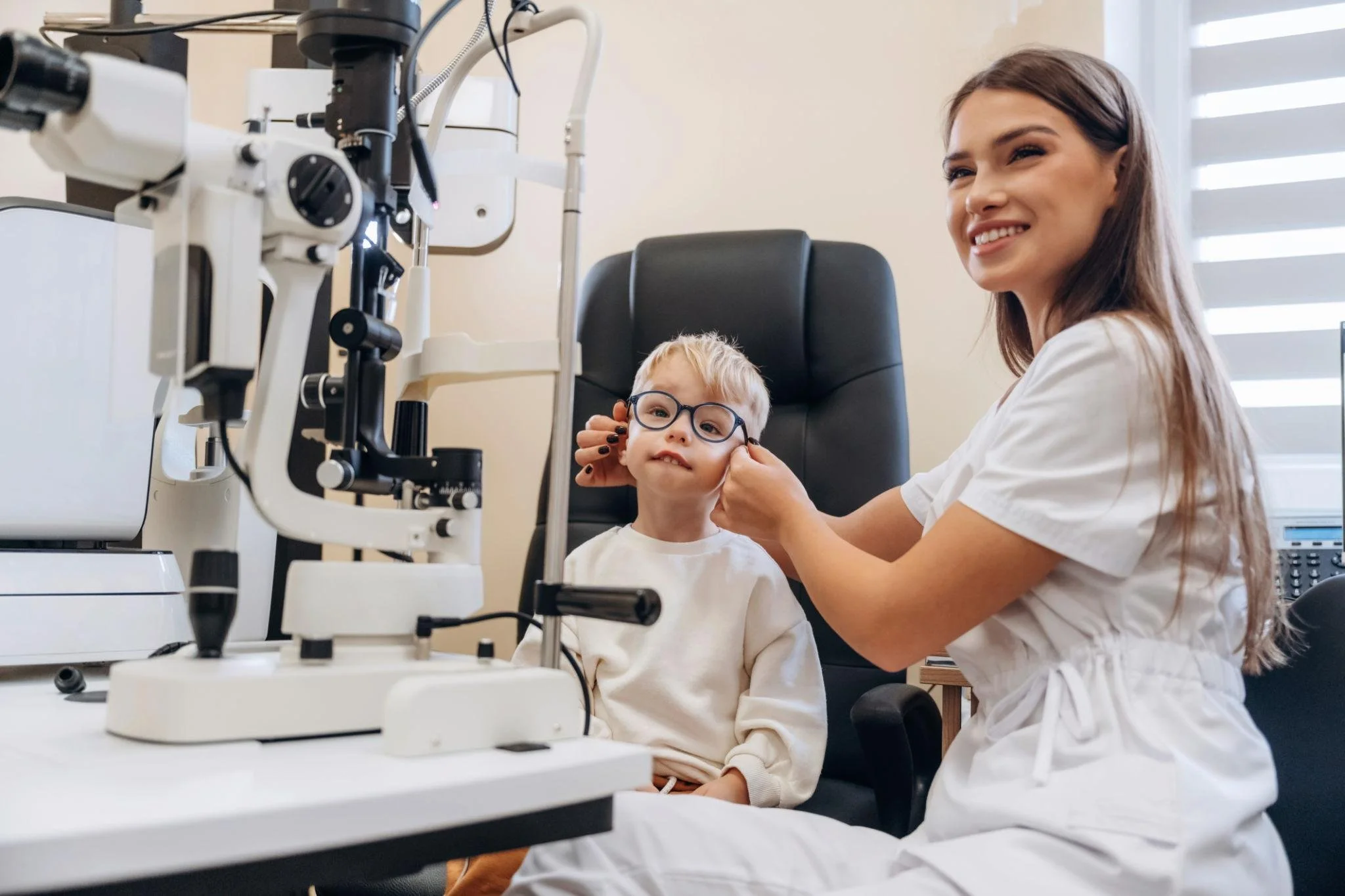
Personalized Eye Care for Kids & Teens
Dr. Biana Ohanian and Dr. Eliana Goncuian provide comprehensive eye care for children and teens at Eyes on LA Optometry. Our goal is to make eye exams comfortable and positive while giving parents a clear understanding of their child's vision and eye health.
Meet Dr. Biana Ohanian →
Meet Dr. Eliana Goncuian →
Frequently Asked Questions(FAQs)
-
Yes. School vision screenings evaluate limited aspects of vision and are not a substitute for a comprehensive eye examination. A child may pass a screening while still having a vision or eye health problem that requires attention.
-
The American Optometric Association recommends a comprehensive eye exam around 6–12 months of age, another at age 3–5, before first grade, and then annually or as recommended.
-
Most pediatric eye exams take approximately 30–60 minutes depending on your child's age and testing needs.
-
When appropriate, dilation allows us to better evaluate your child's prescription and the health of the retina. Your doctor will discuss whether dilation is recommended.
-
Yes. Children often don't realize they have blurry vision because they have never experienced anything different.
-
As your child grows, their eyes grow too. In some children, the eye becomes longer than normal, causing myopia (nearsightedness) to worsen over time. While glasses help your child see clearly, they do not slow this progression.
Myopia management uses evidence-based treatments to help slow the worsening of nearsightedness and support your child's long-term eye health.
Pediatric Eye Exams in Moorpark & West Hills
Eyes on LA Optometry provides comprehensive children's eye exams at our Moorpark and West Hills locations, serving families throughout Moorpark, West Hills, Simi Valley, Thousand Oaks, Calabasas, and surrounding communities.