

Myopia Management for Children in Moorpark & West Hills
Help Protect Your Child's Vision for the Future
If your child's glasses prescription seems to get stronger every year, you're not alone. Childhood myopia (nearsightedness) is becoming increasingly common, but today's treatments can do more than simply correct blurry vision. Myopia management, sometimes called myopia control, uses specialized treatments designed to slow the progression of nearsightedness during childhood, and help reduce the risk of serious eye diseases later in life.
While glasses and contact lenses can help your child see clearly, they do not slow the progression of myopia. As myopia worsens, the risk of developing serious eye diseases later in life increases.
Our myopia management program offered by Dr. Eliana Goncuian is designed to help slow the progression of myopia using proven treatment options tailored to your child's individual needs. Every myopia management program begins with a comprehensive Children's Eye Exam to evaluate your child's vision and determine whether treatment is appropriate.
Families throughout Moorpark, West Hills, Simi Valley, Thousand Oaks, and the surrounding communities trust Eyes on LA Optometry for personalized myopia management.
What is Myopia?
Myopia, or nearsightedness, occurs when the eye grows too long from front to back. This causes distant objects to appear blurry while near vision is clear.
Children with myopia may:
Squint to see far away
Sit very close to the television
Hold books or tablets close
Have difficulty seeing the classroom board
Need frequent prescription changes
Myopia often begins during elementary school and can continue progressing through the teenage years.
When Should Parents Consider Myopia Management?
Your child may benefit from a myopia evaluation if:
Their glasses prescription gets stronger each year
They were diagnosed with myopia at a young age
One or both parents are nearsighted
They struggle to see the board at school
They frequently squint at distant objects
Their current eye doctor has noticed their myopia progressing
Why Does Myopia Management Matter?
Many people think myopia simply means needing thicker glasses.
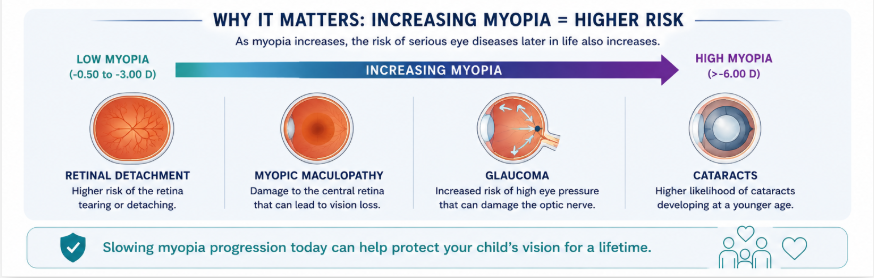
However, higher levels of myopia increase the lifetime risk of serious eye conditions, including:
Retinal detachment
Myopic macular degeneration
Glaucoma
Cataracts
The goal of myopia management is not to eliminate glasses but to reduce how quickly myopia progresses, helping lower these long-term risks.
Treatment Options We Offer
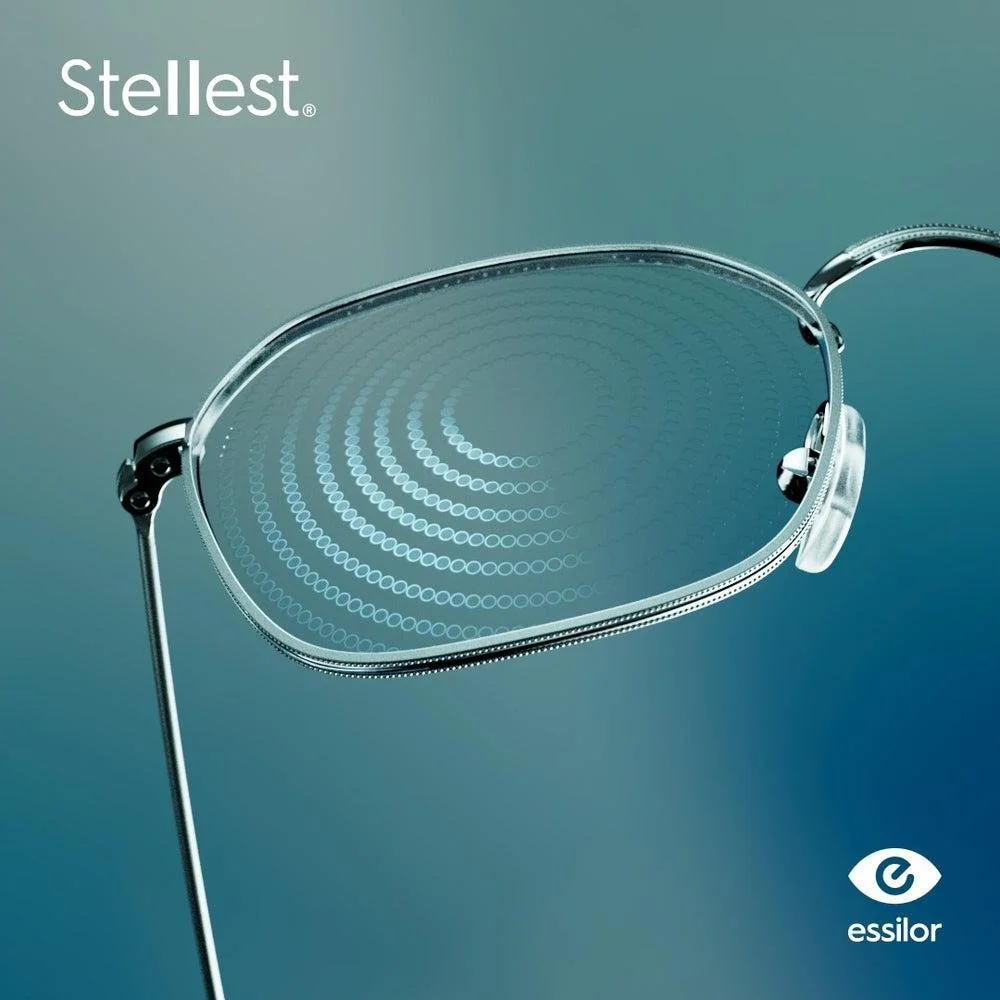
Essilor Stellest® Lenses
Special spectacle lenses designed to help slow myopia progression while providing clear, comfortable vision for everyday wear. These lenses look and feel similar to regular glasses, making them an easy, non-invasive option for children who may not be ready for contact lenses. We have an extensive children’s frame section designed to properly fit and withstand playtime.
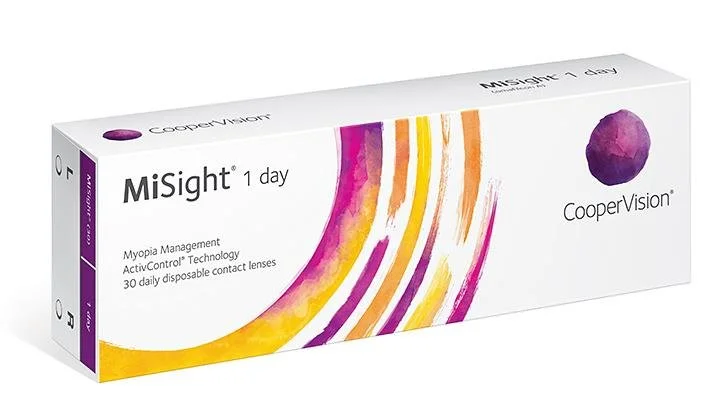
MiSight® 1 day Contact Lenses
Soft daily wear contact lenses designed to slow myopia progression in children while providing clear vision. These daily disposable soft contact lenses are worn during the day and can be a great option for children who are comfortable learning how to wear and care for contact lenses. Learn more about our Contact Lens Exams.
Low-Dose Atropine Eye Drops
Low-dose atropine eye drops may help slow progression of myopia in many children. The drops are typically used once daily and may be considered for children who are not ready for contact lenses as part of a personalized myopia management plan.
Personalized Myopia Care From Our Optometrists
At Eyes on LA Optometry, we understand that every child’s eyes—and every family’s needs—are different. Dr. Eliana Goncuian and Dr. Biana Ohanian provide personalized care for children with myopia, taking the time to evaluate your child’s vision, prescription changes, eye health, and individual risk factors.
Our goal is to help families understand their options and create a myopia management plan tailored to their child. Depending on your child’s needs, treatment may include MiSight® 1 day contact lenses, Essilor Stellest® lenses, low-dose atropine, or a combination of approaches.
Myopia Management in Moorpark & West Hills
Eyes on LA Optometry provides personalized myopia management for children and teens in Moorpark and West Hills, California. We help families understand why their child’s nearsightedness may be progressing and offer treatment options designed to help slow myopia progression.
With locations serving families throughout Moorpark, West Hills, Simi Valley, Thousand Oaks, Calabasas, and the surrounding communities, our team is here to help you find a myopia management plan that fits your child’s individual needs.
Moorpark Office →
251 W Los Angeles Ave, Moorpark, CA 93021
View Moorpark Location
West Hills Office →
7325 Medical Center Dr, Suite 208, West Hills, CA 91307
View West Hills Location
Frequently asked myopia control questions (FAQs):
-
Not necessarily. Myopia can begin as early as 5–7 years of age, and the earlier we intervene, the greater our opportunity to slow its progression. During your child's consultation, we will determine whether they are a good candidate based on their age, prescription, rate of progression, eye health, and lifestyle.
-
Yes. The treatment options we offer, including low-dose atropine eye drops, MiSight® daily contact lenses, and Stellest® spectacle lenses, have been extensively studied and are widely used by eye care professionals around the world. Every treatment recommendation is personalized to ensure it is appropriate for your child's eyes and visual needs.
-
Insurance coverage varies depending on your medical and vision plans. While many insurance plans cover portions of the comprehensive eye exam, most myopia management treatments are considered specialty services and may involve out-of-pocket costs. Our team will review your benefits and discuss all fees before treatment begins.
-
Myopia management is typically a long-term treatment. Because every child's eyes develop differently, it is not possible to predict exactly when their prescription will stabilize. We monitor your child's progress regularly and adjust their treatment plan as needed.
-
There is no one-size-fits-all solution. We consider your child's age, prescription, rate of progression, eye health, activities, and lifestyle before recommending the treatment that is most appropriate. Our goal is to create a personalized plan that fits your child's needs and your family's preferences.
-
Regular follow-up appointments are an important part of successful myopia management. These visits allow us to monitor your child's vision, prescription, eye health, and treatment effectiveness. Depending on the treatment selected, follow-up visits are typically scheduled every 3–6 months.
-
Without treatment, many children's prescriptions continue to increase each year as they grow. Higher levels of myopia are associated with an increased lifetime risk of retinal detachment, myopic macular degeneration, glaucoma, and early cataracts. While myopia management cannot cure nearsightedness, slowing its progression may help reduce these long-term risks.
-
Yes. Research suggests that spending more time outdoors may help reduce a child's risk of developing myopia. For children who are already nearsighted, healthy outdoor habits can still be encouraged alongside their prescribed myopia management plan.
-
Regular glasses correct your child’s vision so they can see clearly, but they are not specifically designed to slow the progression of myopia. Myopia management treatments use specialized technology or therapies aimed at slowing how quickly nearsightedness progresses as your child grows.
-
Regular glasses correct your child’s prescription so they can see clearly, but they are not designed to slow the progression of myopia. Myopia control glasses, such as Essilor Stellest® lenses, provide clear vision while also using specialized lens technology designed to help slow myopia progression as your child grows.
Still have questions?
Every child is unique, and we're here to help you make an informed decision. During your consultation, we'll discuss your child's vision, answer your questions, and recommend the treatment option that's best suited to their individual needs and lifestyle.